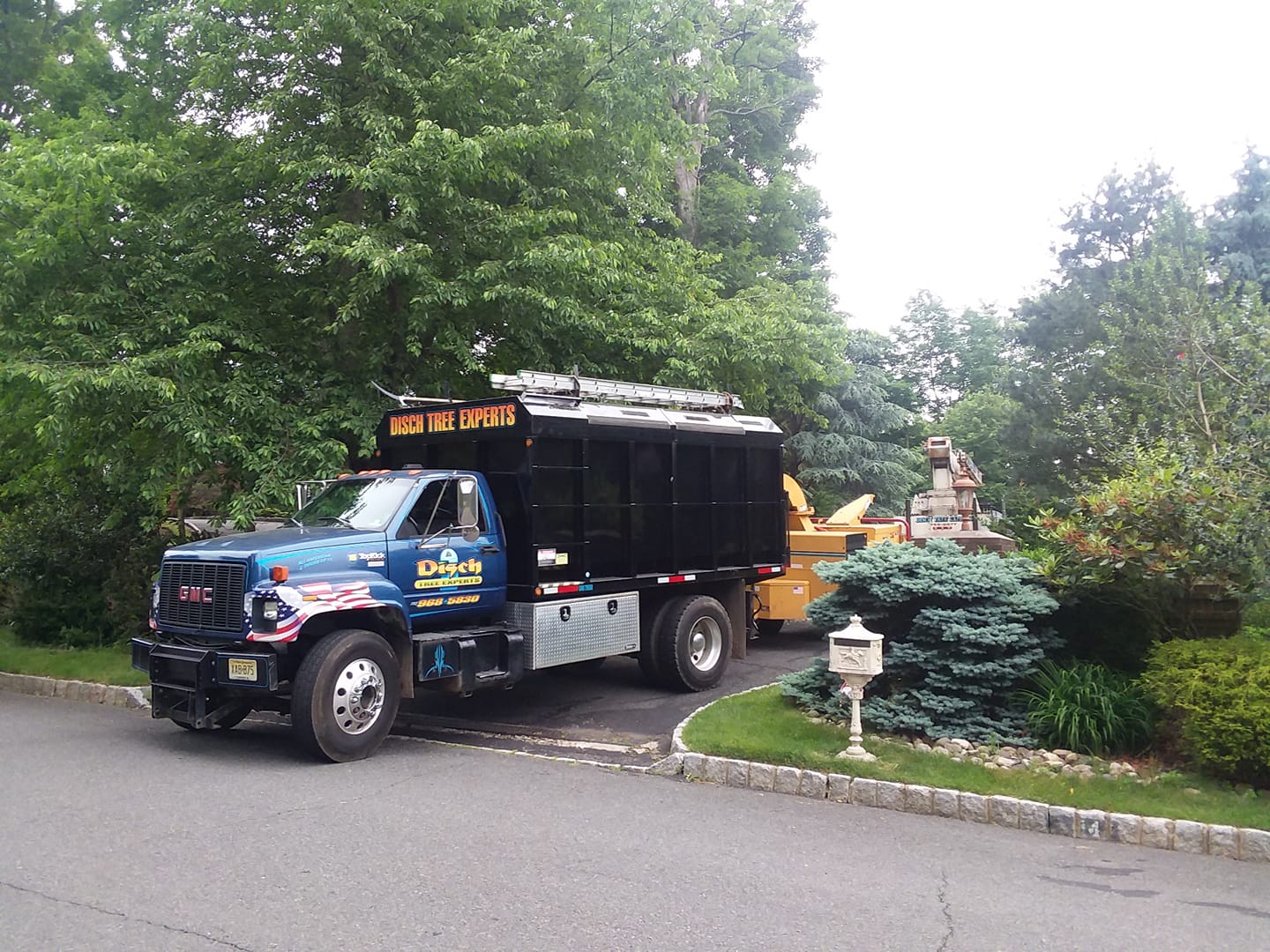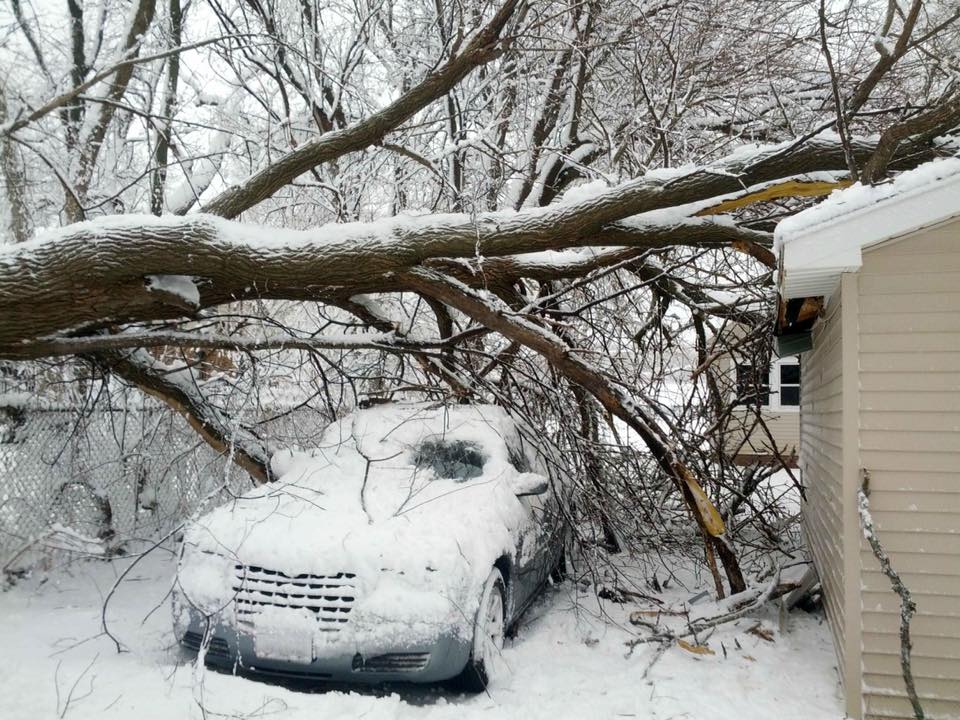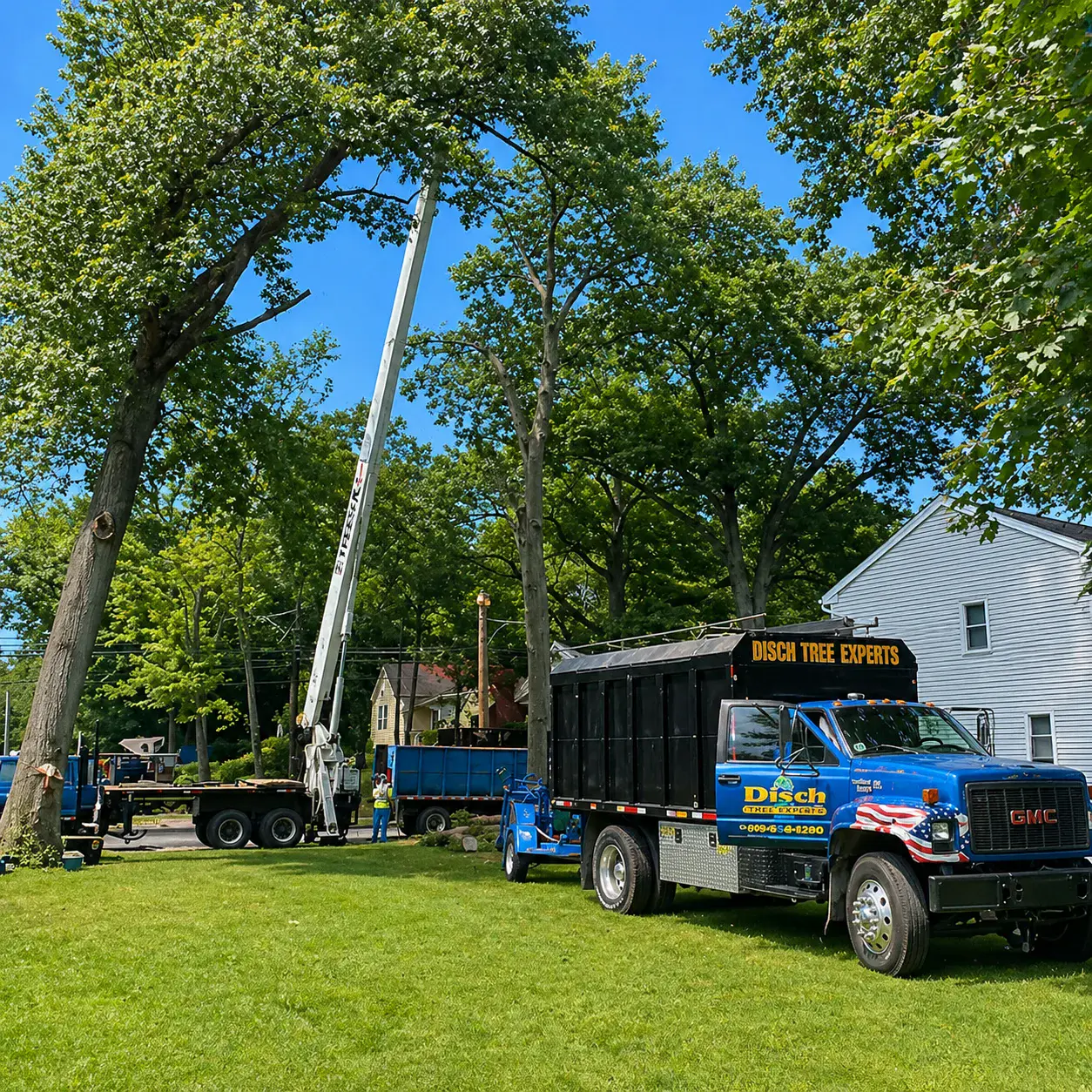
Tree work is one of the few home services where hiring the wrong company can result in a tree through your roof, a wire down across your driveway, or a $30,000 lawsuit because someone got hurt on your property without insurance to cover it.
The good news is that five minutes on the phone separates legitimate tree services from the rest. Ask these seven questions before you schedule anyone — including us.
1. “What’s your NJ Licensed Tree Care Operator number?”
This is the single most important question. Since 2017, New Jersey has required anyone doing commercial tree care work to hold a Licensed Tree Care Operator (LTCO) license, issued by the NJ Board of Tree Experts. The license number proves they passed a written exam, hold required insurance, and are accountable to a state body if something goes wrong.
A legitimate company will give you their LTCO number on the spot. Disch Tree Experts is NJ LTCO #567, for reference. You can verify any company’s license at the NJ Board of Tree Experts website.
If they don’t have one, hang up. NJ companies operating without an LTCO are uninsured by definition — and you’re hiring liability you can’t see.
2. “Will you send me a Certificate of Insurance before the job?”
A Certificate of Insurance (COI) lists the company’s liability and workers’ compensation policies, with policy numbers and coverage limits. You should have it in hand — emailed or printed — before crews show up.
What to look for:
- General liability: $1M minimum, $2M better. Covers damage to your property if a tree hits the wrong thing.
- Workers’ compensation: covers the crew if someone is injured on your property. Without WC, an injured climber’s lawyer comes after your homeowners policy.
- Listed insured name matches the company name on the quote.
Any legitimate company will send a COI within an hour of asking. Companies that “will get it to you tomorrow” or “leave it in the truck” do not actually have one.
3. “How are you going to take this tree down? What’s the plan?”
This question separates pros from butchers. A real arborist will walk the property, point at where each major rigging line goes, identify hazards (wires, your neighbor’s shed, the rose bushes), and explain whether they’ll climb it, use a bucket truck, or call a crane.
Bad answers:
- “Don’t worry, we’ll figure it out when we’re here.”
- “We’re just going to drop it” (when the tree is over your house).
- Inability to point at where the trunk will land.
The plan should include rigging strategy, equipment to be used, and what protection (mats, plywood, branch catchers) goes where.
4. “Can I see references from jobs like mine?”
Specifically jobs like yours — same size tree, similar access situation, same town. Anyone can produce one happy customer. What you want is multiple, recent, in your service area.
Google reviews are the modern version of this. Read 25 of ours here — and ask any company you’re considering for the same. Companies with under 5 reviews or no recent reviews (last 6 months) often haven’t been doing the work long enough to vouch for.
5. “Who actually owns the company?”
For tree services, owner-operator is a quality signal. The companies that send a non-owner sales rep to quote and a different uninsured crew to do the work are the ones with the most complaints.
At Disch, Billy and Kyle are on every job site. After 40 years that’s how it stays a family business — the name on the door is the name running the saw.
Ask: “Will the same person who quoted the job be on site the day of?” If the answer is no, ask who. Crews that change between quote and execution day are how mistakes happen.
6. “What’s the price — in writing — and what does it include?”
The quote should be in writing (email or printed) and itemize:
- Tree(s) being removed/pruned (specifically which ones)
- Whether stump grinding is included or separate
- What happens to the wood and brush (haul-away vs left for firewood)
- Any permits being pulled
- Total price (not “starts at”)
Verbal quotes get “remembered” differently after the job is done. Reasonable Central NJ pricing is documented; quotes that sound dramatically below market are often missing scope (stump, haul-away, cleanup).
7. “What if you damage something?”
How a company answers this question tells you everything. Real answer: “Our liability insurance covers it; we’ll give you the claims info on the COI before we start.” Bad answers: “That won’t happen,” “We’re really careful,” or “We’ll work it out.”
The first answer is contractual. The other answers are vibes. After the limb has gone through your skylight, you don’t want vibes.
We’ll answer all 7 questions before you schedule
Disch is NJ LTCO #567, fully insured, owner-operated since 1985. We’ll send the COI in advance, walk the job with you, and put the price in writing. No mystery, no surprises.
The post-storm warning
One specific scenario: out-of-state crews follow major storms across the East Coast. After a nor’easter, you’ll see unmarked trucks driving neighborhoods door-to-door offering “quick cleanup” at suspiciously low rates.
Almost without exception these crews:
- Have no NJ LTCO
- Take large cash deposits up front
- Disappear partway through or after taking the deposit
- Cannot be located after the fact (out-of-state addresses, disposable phones)
The NJ Division of Consumer Affairs issues warnings about this every storm season. Our full storm response guide covers what to do (and not do) in the first 72 hours after damage.
Bottom line
Ask the 7 questions. Get three quotes. Pick the company that answers all 7 directly — not the cheapest one. The cheapest one is almost always the one without insurance, and you’ll find out the hard way.