The single most common confusion after a tree comes down is whether homeowners insurance pays. The short answer is: it depends entirely on what the tree hit and what caused the fall. Forty years of working with NJ adjusters and helping customers document claims, here’s the actual rule of thumb.
This is general information — your specific policy is the source of truth. But these are the patterns that hold across most standard NJ homeowners policies (HO-3 and similar).
What IS typically covered
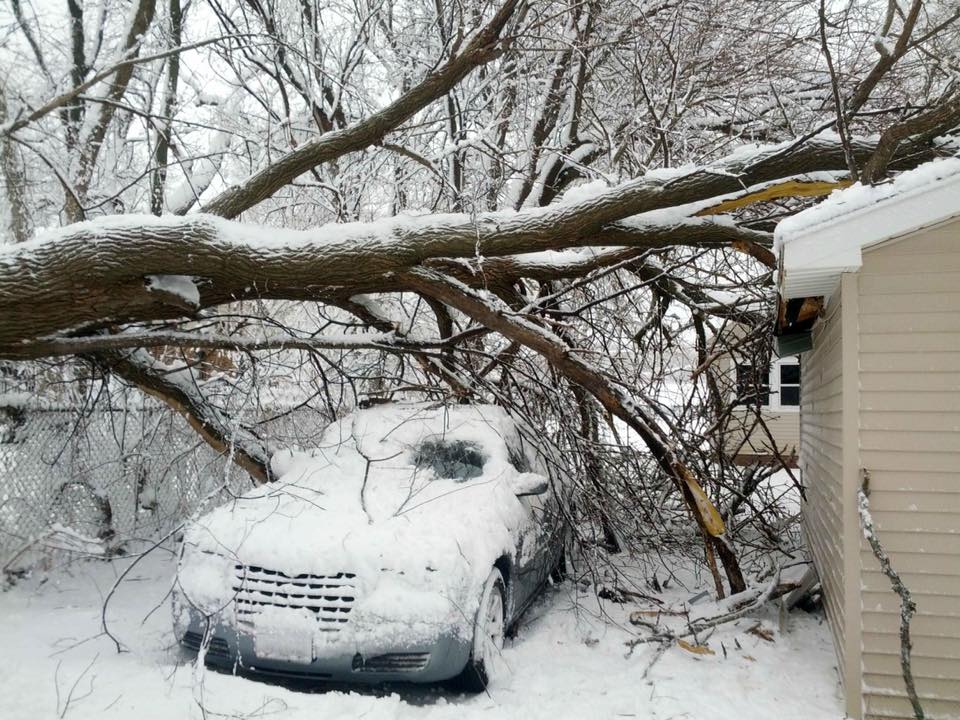
1. Tree falls on your house, garage, fence, deck, or other covered structure
Standard coverage. The insurance pays for:
- Repairs to the damaged structure
- Removal of the tree from the structure (typically capped at $500–$1,000 per tree, but varies)
- Sometimes additional “debris removal” for getting the tree off your property
Cap matters. If a $40,000 oak removes itself onto your roof, removal can easily exceed the $500–$1,000 sub-limit for tree removal. The structural repair is usually fully covered (up to your policy limits), but the tree removal portion can leave you out of pocket. Read your policy.
2. Tree blocks a driveway or accessibility ramp
Most policies cover removal of trees blocking access for emergency vehicles, accessibility ramps, or driveway entry. This is often phrased as “debris removal” coverage.
3. Tree falls because of a covered peril (wind, lightning, weight of snow/ice)
If the proximate cause is a named storm peril and the tree damages something covered, you’re generally in good shape. NJ’s typical perils — nor’easters, ice storms, summer thunderstorms with high wind — are all standard covered perils.
4. Neighbor’s tree falls on your property
This surprises people: your insurance pays, not your neighbor’s. The legal principle is “the tree fell on your property, you make the claim.” Exception: if your neighbor was negligent (you’d told them in writing the tree was dying and they ignored it), their liability insurance might be on the hook. In practice this is rare and contentious. Default to your own insurance.
What is NOT covered
1. Removing a still-standing hazardous tree
Maintenance is your responsibility. If a tree is dying, leaning, or visibly unsafe but hasn’t actually caused damage yet, removing it is your expense. The whole point of hazard assessment is catching problems before they become claims.
The catch-22 is real: insurance won’t pay to prevent the problem, but it WILL pay (within limits) once the problem causes damage. Some homeowners use this math to delay removal. Don’t. The damage payout is rarely enough to fully cover the loss in time, displacement, contents damage, and deductible.
2. Tree falls but doesn’t hit anything covered
If a tree falls in your yard and only damages the lawn, garden, or other landscaping, most standard policies don’t cover removal. The tree itself is not insured property; the lawn is generally excluded.
3. Tree falls because of pre-existing decay or rot (in some policies)
Some policies have exclusions for “wear and tear, decay, neglect” even if the proximate trigger was a covered peril. This is where photos of the tree BEFORE the failure can matter — they establish the tree appeared healthy. Insurers can deny claims arguing decay was visible if you don’t have evidence otherwise.
Once a year, walk your property and photograph every mature tree from multiple angles. Date-stamped phone photos are admissible. If a tree later fails and the insurance pushes back claiming visible decay, your annual photos are evidence the tree appeared sound.
The documentation that wins claims
Whether or not the insurance covers your specific situation, these documents make the difference:
- Timestamped photos of the damage from multiple angles, including the broken trunk/root plate
- Weather records for the day of failure (NWS data or your local weather station)
- Claim number opened with insurance immediately
- Receipts for emergency mitigation (tarp, board-up, displacement hotel)
- Tree service estimate in writing from a NJ-licensed contractor (the LTCO matters — insurance won’t reimburse cash payments to unlicensed crews)
- Adjuster’s site visit notes — ask for them
Working with adjusters: a practical pattern
For trees that hit structures, the adjuster typically wants to see the scene before any cleanup happens. Two pragmatic options:
- Wait for the adjuster (24–72 hours typical), do nothing but emergency safety mitigation. Best for non-urgent damage.
- Document thoroughly, then mitigate — appropriate when leaving the tree in place creates more damage (water entering through a hole in the roof, for example). The adjuster works from your photos.
We work with adjusters constantly. We can document, photograph, and write the estimate while the adjuster is en route — or before they arrive, depending on urgency. Most adjusters are reasonable when working with established licensed contractors.
Tree on your house? We work with insurance.
We document the damage with photos before cutting, write itemized estimates that adjusters accept, and coordinate mitigation timing with your insurance company. NJ LTCO #567, fully insured.
One more thing: liability for trees you own
If your tree falls and damages a neighbor’s property, the legal default in NJ is similar to the reverse: their insurance pays, you’re not on the hook. EXCEPT — if you knew the tree was hazardous and didn’t act, you can be held negligent. Common evidence: written notices from the neighbor about the tree, prior arborist reports flagging hazard, visible decay you ignored.
This is why hazard assessments aren’t just safety — they’re also liability protection. A documented arborist report saying “the tree was assessed and judged sound” protects you against negligence claims if it later fails.